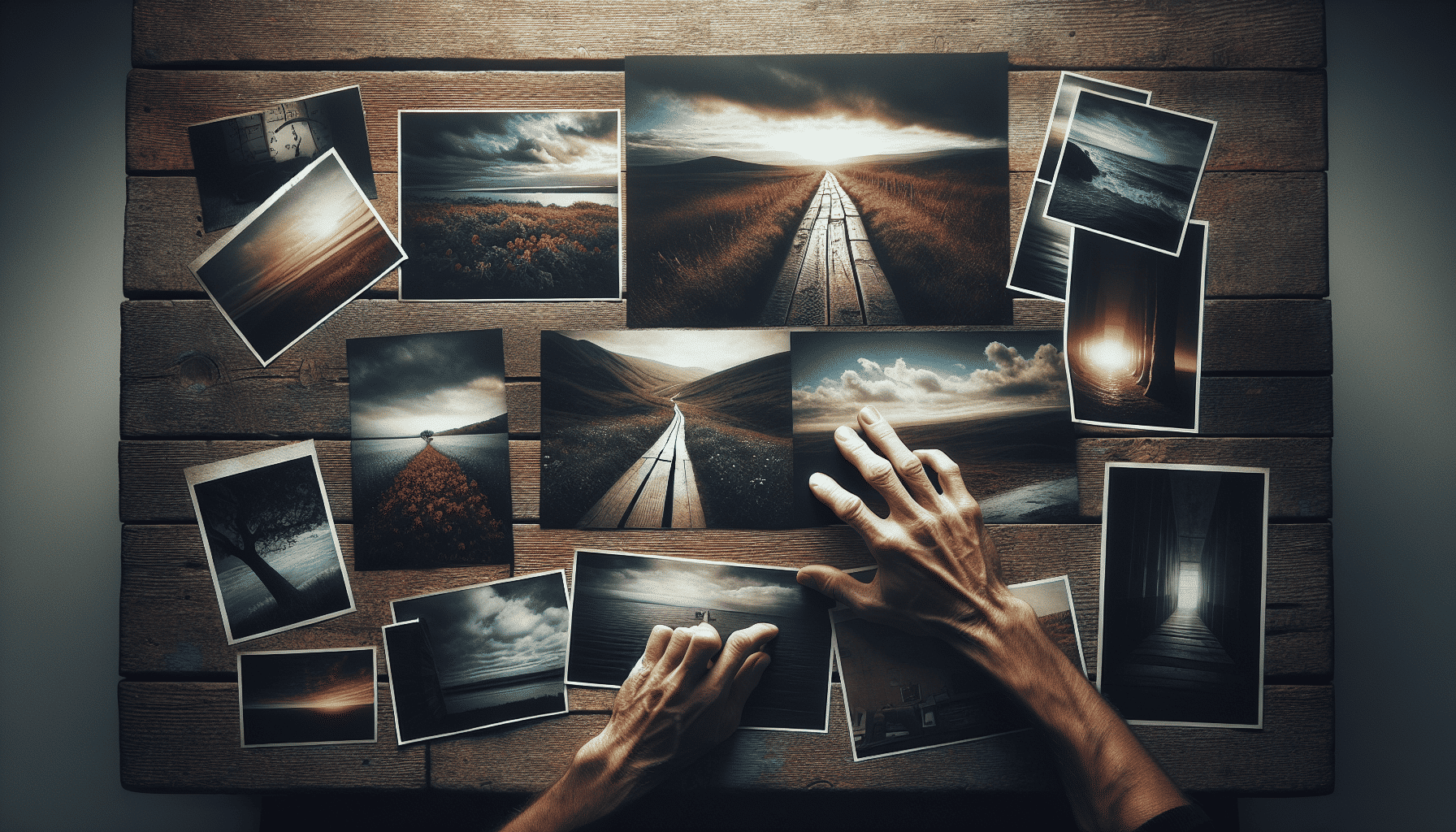
When crafting captivating images, understanding the principles of composition is key. These principles guide the arrangement of elements within a frame to create balanced, engaging, and aesthetically pleasant images. Here are some essential tips to help elevate your creative storytelling and transform each frame into a visual delight.
Rule of Thirds
One of the foundational techniques in creating visually appealing images is the rule of thirds. Imagine dividing your frame into a grid of nine equal parts using two equally spaced horizontal and vertical lines. By placing your subject or critical elements along these lines or at their intersections, you create a more dynamic composition. This approach draws the viewer's eye naturally to the points of interest and offers balance and harmony within the frame.
Leading Lines
Incorporating lines that lead the eye through your image can greatly enhance its impact. These lines can be straight, curvy, diagonal, or zigzag and can guide the viewer's gaze to the main subject. Roads, rivers, fences, or architectural elements, for instance, can serve as guiding paths that bring depth and a three-dimensional quality to your image.
Symmetry and Patterns
Symmetry and patterns add a sense of harmony and organization to a composition. Reflections in water, rows of identical objects, or symmetrical architectural elements can create striking visual effects. When breaking symmetry with a contrasting subject or pattern, the result can be particularly eye-catching and intriguing.
Framing
Using natural elements or structures to frame your subject can add context and emphasize focal points. Look for windows, archways, trees, or any surrounding elements that can form a border around your subject. This technique adds depth and layers to your image, drawing attention to the main subject while adding interest to the composition as a whole.
Background Control
The background of an image can either enhance or distract from the subject. Pay attention to what’s happening behind your focal point. A cluttered background can distract from the main subject, while a clean, simple one can highlight it. Look for ways to simplify backgrounds, such as using a wide aperture to blur distractions or changing your angle to remove visual noise.
Balancing Elements
While considering the rule of thirds, ensure that other elements in the scene are balanced. If one side of the frame is much heavier with visual weight, counterbalance it with another element of lesser size or importance. Achieving equilibrium within a frame helps maintain viewer interest and keeps the composition from feeling off-kilter.
Use of Colors
Color creates mood and emotion in an image, drawing the viewer’s attention and setting the tone of the visual story. Complementary colors can make elements stand out, while analogous colors provide harmony. Be intentional about your color choices, considering how they interact with each other and the overall effect they produce.
Perspective and Depth
Experimenting with perspective can add depth and dimension to your images. Changing your viewpoint—shooting from a low angle, high above, or from the side—can introduce new perspectives, making familiar scenes feel fresh and dynamic. This technique often reveals characteristics of the subject or scene that might otherwise remain unnoticed.
By mindfully applying these composition principles, you can enhance your ability to tell compelling visual stories. Whether you're photographing landscapes, portraits, or still life, these tips will help refine your artistic vision, encouraging you to create images that are both meaningful and memorable.