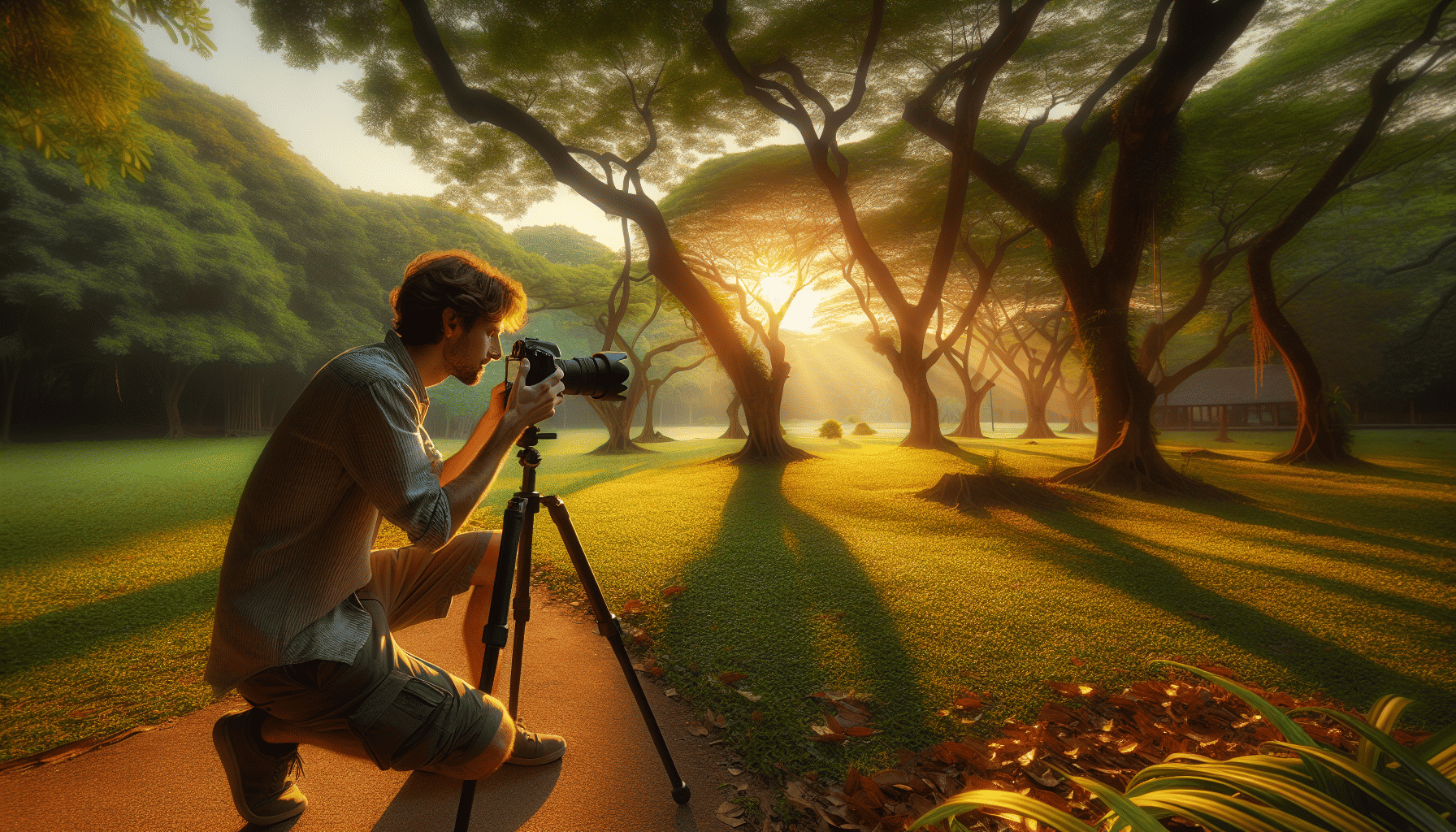
Capturing the essence of a moment often hinges on one critical element: light. Whether bathed in the soft glow of natural daylight or the artificial brilliance of lamps and flashes, mastering this component can elevate visuals from ordinary to extraordinary. Understanding how light interacts with subjects can create compelling narratives and evoke powerful emotions.
Natural light, with its ever-changing dynamics, offers endless possibilities. The golden hour, occurring shortly after sunrise and before sunset, provides a warm, diffuse light that is ideal for enhancing colors and adding depth. By working with the sun's position, shadows and highlights can be manipulated to emphasize certain elements, crafting images that resonate profoundly with viewers.
On the other hand, artificial lighting grants photographers the power of control and consistency. Studio lights, softboxes, and reflectors can be adjusted to bring uniformity and manage shadows with precision. This consistency is critical when capturing subjects over extended sessions, ensuring a unified appearance in each frame.
Combining both sources can offer the best of both worlds. Natural and artificial lights can converge to create unique textures and layers, fusing spontaneity with precision. By experimenting with light sources, angles, and intensities, photographers can discover new techniques and uncover hidden details within their compositions.
Adjusting exposure settings is key when managing light. Slow shutter speeds might work wonders for capturing detail in dim environments, while faster speeds can freeze motion, making every fraction of a second count. Aperture adjustments allow for greater control over depth of field, guiding the viewer's focus to the primary subject while blurring distractions into the background.
Reflective surfaces and diffusers can further refine lighting strategies. Reflectors bounce additional light, filling in unwanted shadows, while diffusers soften a harsh source to deliver a gentle, enveloping light over the subject. Both tools open up new avenues for creativity, empowering photographers to play with contrast and mood dynamically.
In the realm of emotions, light can act as an evocative storyteller. Soft lighting exudes a sense of calm and tranquility, while stark contrasts can introduce drama or tension. By being mindful of how light affects color and mood, photographers can craft visuals that resonate on a deeper level, leaving lasting impressions on those who view their work.
Ultimately, the journey to mastering light is both an art and a science. It challenges photographers to continuously adapt, observe, and experiment. As artists learn to harness both natural and artificial light, they unlock endless possibilities for creating images that not only capture moments but also tell profound stories. Through this exploration, the soul of their work is illuminated, bringing to life the emotions and narratives hidden in every frame.