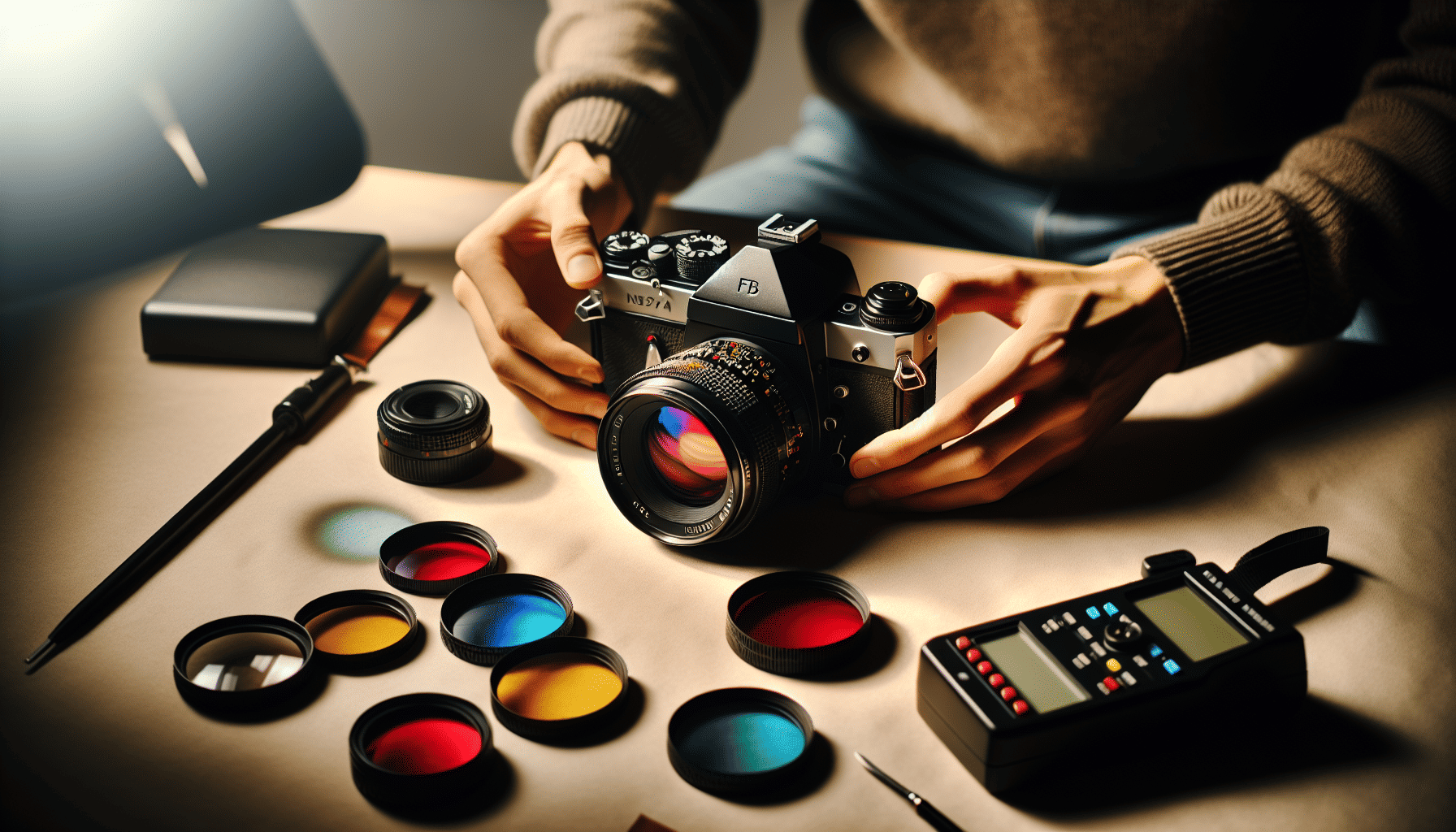
Capturing breathtaking images isn't just about having the latest or most expensive piece of gear. Understanding and mastering the crucial settings of your camera can transform your shots from ordinary to extraordinary. Let's delve into the foundational settings every enthusiast should be familiar with to elevate their craft.
1. Aperture: The aperture, often measured in f-stops, is essentially the lens's iris. It controls the amount of light entering the camera. Lower f-numbers, like f/2 or f/1.8, open the lens wide, creating a shallow depth of field with artistically blurred backgrounds. Higher numbers, such as f/11 or f/16, bring more of the scene into focus, ideal for landscapes.
2. Shutter Speed: This setting determines how long the camera's sensor is exposed to light. Quick speeds (1/1000s) freeze motion, making them perfect for action shots or capturing fast-moving subjects. Longer exposures (1s or more) can create striking effects with water, clouds, or low-light environments, but require a steady hand or tripod to avoid blur.
3. ISO Sensitivity: ISO measures the sensor's sensitivity to light. In well-lit conditions, a low ISO (100 or 200) will keep noise levels down. In darker environments, raising the ISO can help capture images without a flash, but be mindful—higher settings might introduce graininess.
4. White Balance: To achieve natural color reproduction, adjust your white balance setting. Most cameras have presets tailored for specific lighting conditions such as daylight, overcast, tungsten, or fluorescent. Customizing this setting can prevent unwanted color casts and ensure your colors appear true to life.
5. Focus Modes: Modern gear offers various focusing modes. Single Autofocus locks onto a still subject, while Continuous Autofocus is ideal for moving targets, maintaining clarity as they shift position. Manual focus provides full control for precise adjustments.
6. Metering Modes: The camera's metering system evaluates the brightness of a scene to determine the optimal exposure. Evaluative or Matrix Metering assesses the entire frame, while Center-Weighted gives priority to the center. Spot Metering targets a small area for precise exposure control, perfect for challenging lighting conditions.
7. File Format Selection: Choosing between JPEG and RAW affects post-processing. JPEG files are compressed and ready for immediate use, but may lose some details. RAW captures more data and provides extensive editing flexibility, though it requires additional processing.
8. Custom Presets: Most advanced cameras allow saving custom settings as presets. These can be incredibly useful when quickly adjusting to different scenarios, such as indoor events or outdoor landscapes.
9. Exposure Compensation: This setting helps adjust exposure levels in challenging lighting without altering other settings. Increasing compensation brightens the image, while decreasing it helps manage overly bright scenes.
By familiarizing yourself with these fundamental settings, you empower yourself to creatively interact with your surroundings. Each environment and subject presents a unique opportunity, and understanding these components will help bring your artistic vision to life. Whether you're capturing the sharp details of street scenes or the soft, dreamy quality of portraiture, these tools will guide you in crafting memorable images.