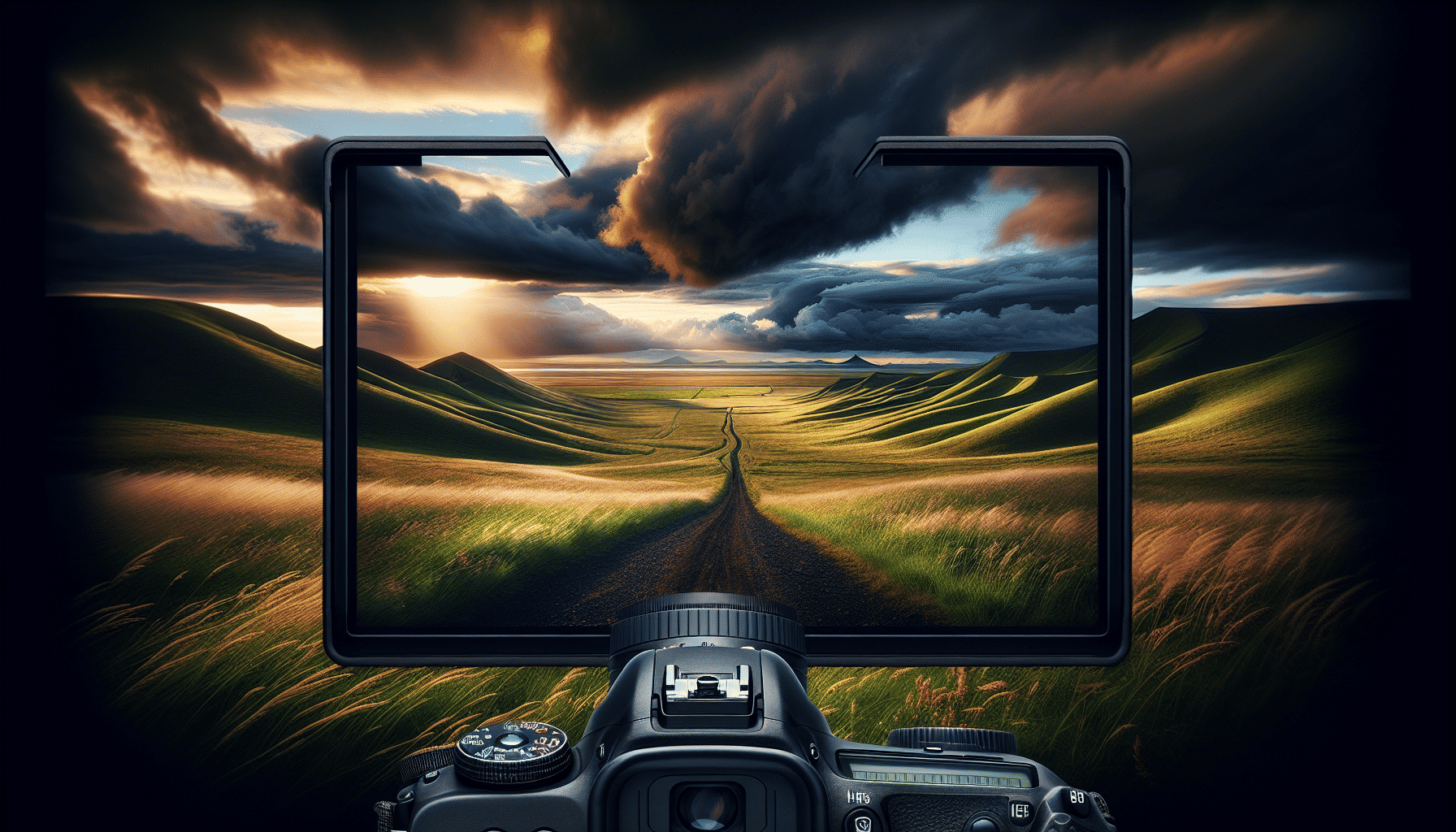
Achieving compelling and captivating compositions in images involves a blend of creativity, keen observation, and understanding of visual balance. Whether you're capturing expansive landscapes or intimate portraits, mastering composition can dramatically elevate your images. Here are some expert tips to enhance your skills.
Rule of Thirds
The rule of thirds is a fundamental guideline that can make your images more dynamic. Imagine your image divided into nine equal parts by two horizontal and two vertical lines. Position your subject along these lines or at their intersections to create balance and interest. This technique works particularly well for landscapes, helping in the placement of the horizon or an intriguing point of interest.
Leading Lines
Using leading lines is a powerful way to guide the viewer’s eye through the scene. Roads, rivers, fences, or shadows can all serve as leading lines, drawing attention to the focal point of the image. In portraits, you might use a subject's gaze or extended arm as a leading line, creating a path for the viewer's eye to follow.
Framing
Utilizing elements within your environment to create a natural frame can add depth and context to your image. Branches, doorways, and windows can act as frames within frames, focusing attention on your subject and enhancing the overall composition.
Symmetry and Patterns
Symmetry can bring a sense of harmony and balance, offering a satisfying visual experience. Be on the lookout for natural or manmade patterns and symmetrical scenes. They often provide a pleasing aesthetic and can convey a sense of order or tranquility.
Utilize Negative Space
Negative space, or the empty space around your subject, can be just as powerful as the subject itself. It can create a feeling of solitude or highlight the subject against a simple backdrop. This technique is particularly effective in drawing attention to the subject, making it pop through contrast.
Perspective and Angles
Don’t be afraid to change your perspective. Shooting from high above or low below can drastically change the impact of a scene. Experimenting with different angles and viewpoints can result in unique and striking compositions, providing fresh takes on familiar subjects.
Balancing Elements
Balancing elements within a frame is crucial to achieving a cohesive image. If a subject is on one side of the frame, consider using another element of lesser size or visual weight on the opposite side to create balance. This prevents the image from feeling lopsided or incomplete.
Depth
Adding depth to your images can take them from flat to lifelike. Incorporate elements in the foreground, middle ground, and background to create layers, giving a three-dimensional feel to the image. This technique is especially effective in landscape imagery where depth accentuates the vastness of the scene.
Experiment with Color and Contrast
Exploring different color combinations can intensify a composition. Complementary colors can create vibrant images, while monochromatic schemes add harmony. Contrast between light and shadow or between colors can guide the viewer's eye and highlight key compositional elements.
Storytelling
Beyond technical composition, the essence of a captivating image often lies in its ability to tell a story. Consider what you want to evoke or convey through your image and let that guide your compositional choices. A well-composed image should not only be aesthetically pleasing but also stir emotion or provoke thought.
Mastering these composition techniques can enhance the aesthetic quality and narrative power of your images. Remember that the essence of creativity lies in experimentation, so allow yourself to break the rules, explore new ideas, and develop your own unique style.