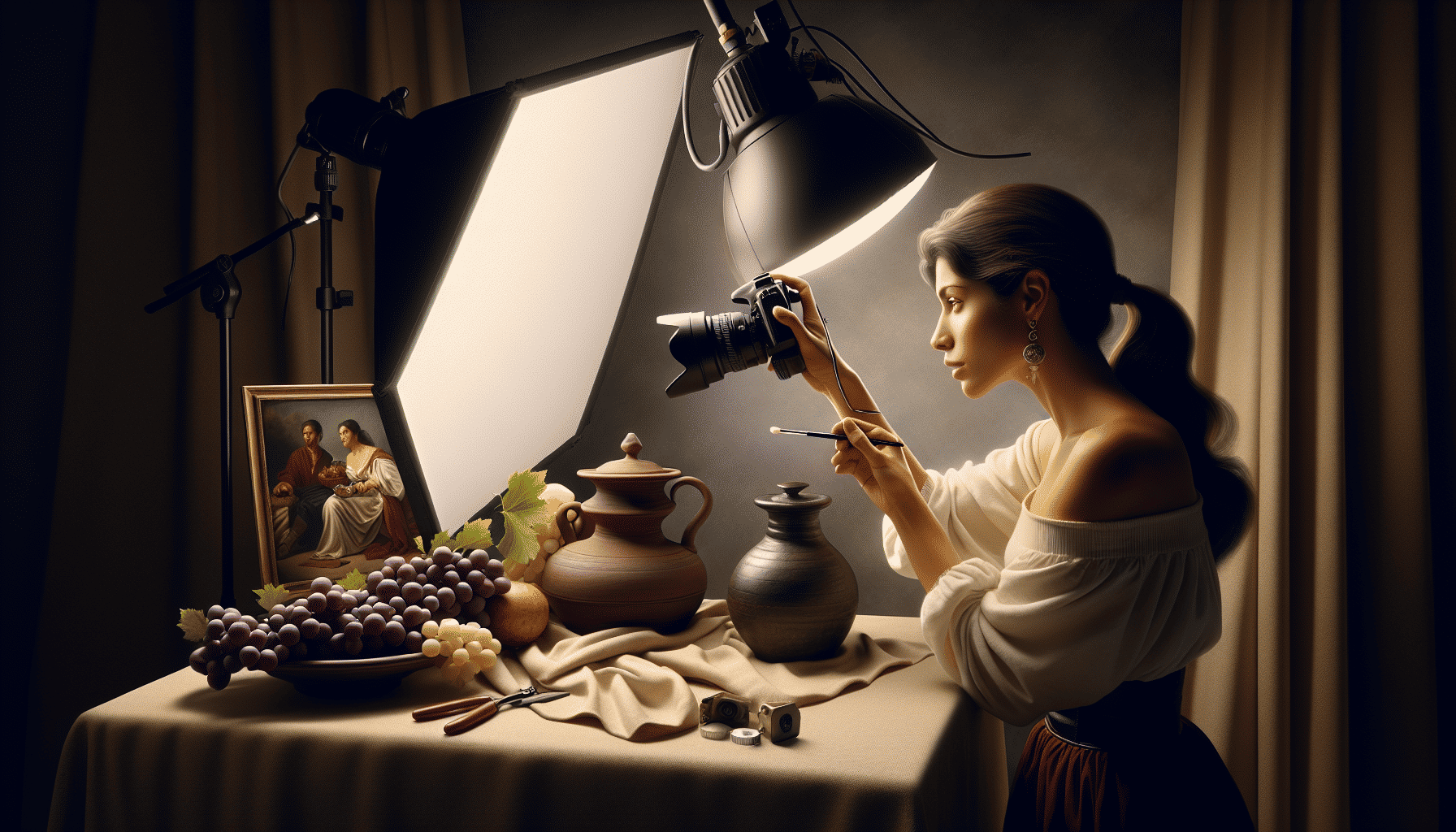
Lighting plays an undeniably pivotal role in crafting the atmosphere of an image, serving as a bridge between the subject and the emotions elicited by the viewer. Essentially, the control of lighting can transform an ordinary scene into an extraordinary visual story, setting the mood and emphasizing the essence of the composition.
When considering how to harness lighting to its fullest potential, it’s important to delve into the distinct qualities and types of light. Natural light, for instance, can fluctuate dramatically based on the time of day and weather conditions, offering a dynamic range of moods. The soft, diffused glow of the early morning or late afternoon sun, often referred to as 'golden hour', can cast a warm and inviting atmosphere. In contrast, the harsh midday sun can produce stark shadows and vibrant highlights, contributing to a more dramatic and intense visual impact.
Artificial lighting, on the other hand, provides an opportunity for more controlled manipulation of the scene. Through the use of softboxes, reflectors, and colored gels, the mood can be finely tuned to suit the narrative being told. Soft, diffused artificial light can create an ethereal and gentle touch, perfect for highlighting delicate details or conveying a sense of tranquility. Meanwhile, strong directional lighting can be used to sculpt the subject, adding depth and creating a sense of mystery or tension.
The interplay between light and shadow is another critical consideration. Shadows can be employed to add dimension and texture to a composition. By experimenting with the direction, intensity, and color of light, shadows can become an integral part of the storytelling, drawing the viewer’s eye to specific elements and creating a desired emotional response.
Additionally, the color temperature of the light can dramatically alter the mood. Warm tones tend to evoke feelings of comfort and nostalgia, whereas cooler tones can imbue a sense of calm or detachment. Balancing these temperatures can help in achieving the right emotional tone, aligning perfectly with the photographer's vision and the subject’s narrative.
In any scenario, understanding the intrinsic properties of light is fundamental in elevating the quality and emotional impact of an image. Whether through the soft caress of the sunrise, the controlled precision of studio lighting, or the moody interplay of light and shadow, mastering the art of lighting is essential for any enthusiast aiming to elevate their craft. Ultimately, lighting is not merely a tool but a powerful medium that, when wielded with precision and creativity, can transform a simple image into a captivating work of art.